
Switzerland
Affiliate Disclosure: This site contains affiliate links. If you purchase, sign up, or book through these links, I may earn a commission at no extra cost to you.
Switzerland At A Glance
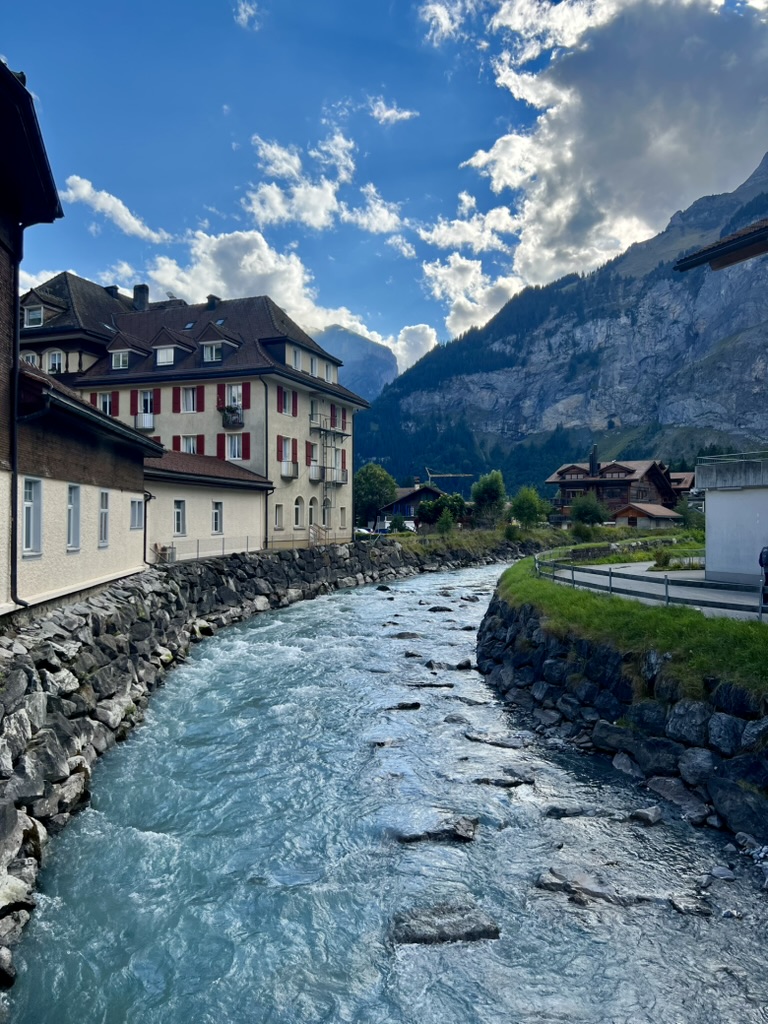
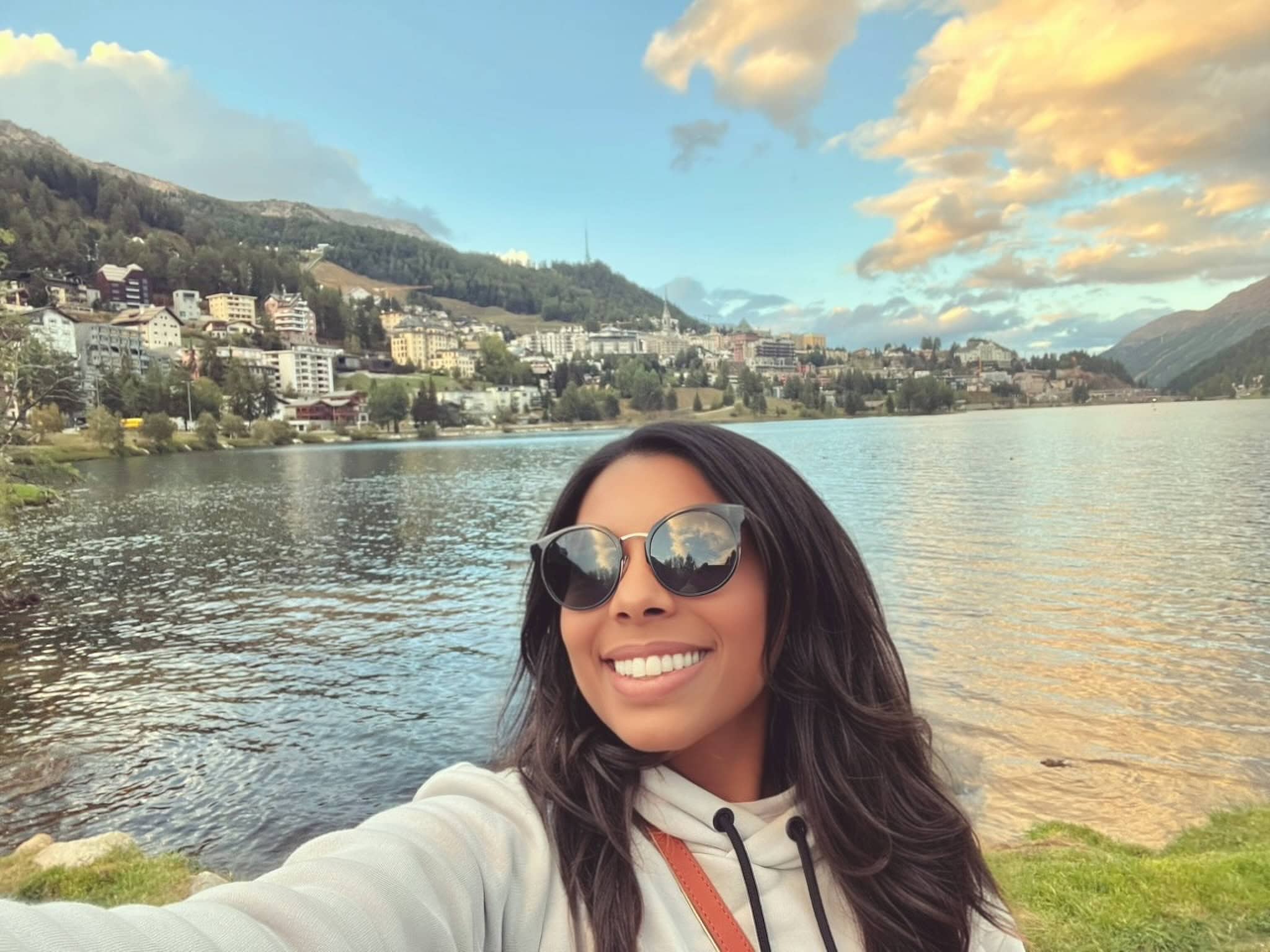
I knew Switzerland would be beautiful, but I wasn’t prepared for how overwhelmingly stunning it actually is when you’re really there.
It’s hard to describe the sense of gratitude and awe when surrounded by vibrant turquoise lakes, rolling green hills and continuous snowcapped mountains (or what they call the “Sea of Peaks”).
I took a Nightjet sleeper cabin overnight train from Amsterdam to Bern, and in the morning, I was practically pressed against the window the entire time. I could see Alpine peaks rise higher and higher, turquoise lakes appear between valleys, and villages and mountains that almost looked like paintings. When I stepped off the train in Bern, I understood why people talk about Switzerland differently than other destinations.
Switzerland has a reputation for being expensive — and it can be — but I learned strategies to experience luxury mountain towns like Zermatt and St. Moritz, ride the world-class panoramic Glacier Express train through breathtaking scenery, eat too much fine chocolate and cheese, and find incredible experiences without breaking the bank.
Switzerland offers the kind of natural beauty that stays with you long after you leave.
Whether you’re a solo traveler seeking pristine landscapes or planning a family trip to the Alps, I’ll share what I’ve learned about experiencing Switzerland sustainably and affordably.
Language:
German, French, Italian, Romansh (depending on region)
Most Swiss speak excellent English, especially in tourist areas and cities. In German-speaking regions (Zurich, Bern, Lucerne), locals speak Swiss German but understand High German. The French-speaking region (Geneva, Lausanne) uses standard French, and the Italian-speaking region (Ticino) uses Italian. Efforts to learn basic greetings in the regional language is appreciated by locals.
You can use language learning tools like Babbel or Pimsleur to learn basic German, French, or Italian, and Preply to select from thousands of one-on-one tutors.
Babbel Pimsleur Preply
Currency:
Swiss Franc (CHF)
Switzerland does not use the Euro, though some tourist shops accept it (often at poor exchange rates). Order Swiss Francs from your bank or credit union a few days before your trip or withdraw from ATMs after arrival for the best rates. Credit cards are widely accepted.
Switzerland is largely cashless but carry some Francs for mountain huts and small village shops.
Best Time to Visit:
Switzerland’s weather varies not only by season, but also significantly by altitude (you’ll definitely want more than a hoodie when you go up to the Matterhorn, even in the summer).
With that said, both summer and winter are excellent times to plan your trip, depending on your interests.
Spring (March-May): Shoulder season with fewer crowds and lower prices, but weather can be more unpredictable. Some mountain passes still closed, but spring visits are good for exploring cities and lower elevation hikes. Temperatures typically range 45-65°F (7-18°C). Be sure to check weather forecasts for the regions and altitudes you’ll be visiting.
Summer (June-September): Perfect for hiking, mountain activities, and scenic train journeys. Temperatures range 65-80°F (18-27°C) in valleys, but cooler at altitude, and below freezing in places like Matterhorn and Jungfraujoch. All mountain passes are open. Be sure to begin booking accommodations and experiences 2-3 months ahead. Note: September temps are more like late summer here.
Fall (October-November): Beautiful fall colors, pleasant temperatures, wine harvests, fewer tourists, and lower prices. Some mountain facilities are closed for the season. Temperatures will likely range 40-60°F (4-16°C). Winter (December-February): Prime skiing season with world-class resorts. You can likely expect temperatures to range 25-40°F (-4 to 4°C) in valleys, and of course colder in the mountains. Christmas markets in December are like winter wonderlands. If going skiing, make your arrangements 3-4 months ahead and frequently check weather updates.
Winter (December-February): Prime skiing season with world-class resorts. You can likely expect temperatures to range 25-40°F (-4 to 4°C) in valleys, and of course colder in the mountains. Christmas markets in December are like winter wonderlands. If going skiing, make your arrangements 3-4 months ahead and frequently check weather updates.
Be sure to check weather forecasts for the regions and altitudes you’ll be visiting.
Famous Landmarks:
Matterhorn, Jungfraujoch (Top of Europe), Lake Geneva, Rhine Falls, Swiss Alps
Switzerland Blogs + Travel Guides
Planning a trip to Switzerland? Skip the overwhelm.
I’m currently writing blogs and detailed city guides for each of the cities below. Each guide includes great hotels from budget to affordable luxury, must-try restaurants and speakeasies, museums and day trips not to miss, safe neighborhoods for solo female travelers, public transit tips, honest assessments about traveling as a person of color, local events and concerts, and souvenirs worth precious suitcase space.
My goal is to help you explore based on YOUR travel style and interests to experience both the famous spots everyone talks about AND the authentic hidden gems only locals know.
Sign up for the Travel Like You Mean It (TLYMI) Newsletter to be notified when these guides launch, plus receive travel tips and guides for planning adventures in other countries.
Subscribe Now
Switzerland Posts
No posts