
Scotland
Affiliate Disclosure: This site contains affiliate links. If you purchase, sign up, or book through these links, I may earn a commission at no extra cost to you.
Scotland At A Glance
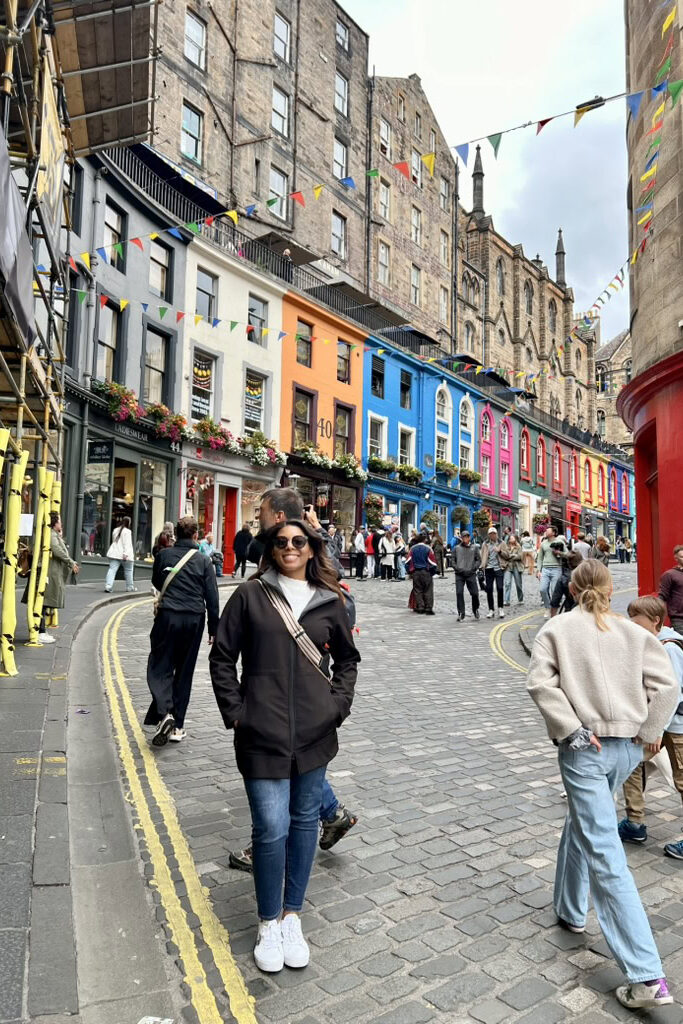
Before booking my tickets to Scotland, I had seen many fun and sensory images of Victoria Street, and romantic, rain-stained architecture of Circus lane, and wanted to explore.
Scotland has a way of capturing you before you even realize you’ve fallen for it.
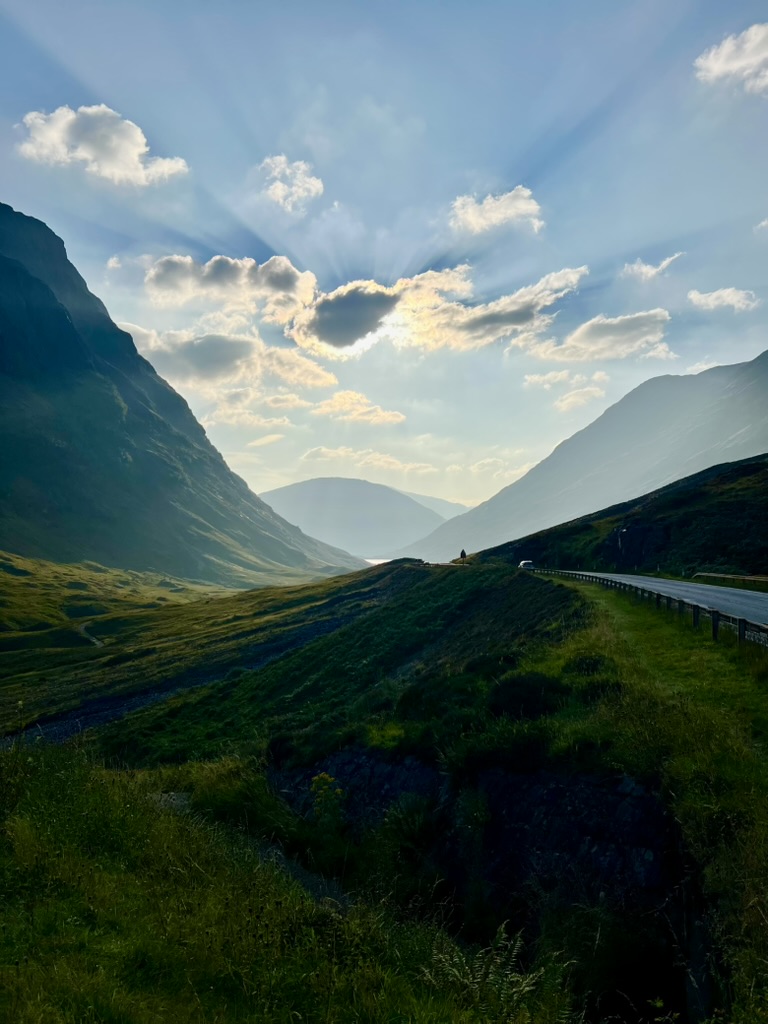
It’s a striking harmony of raw wilderness and historic grandeur… rugged mountain peaks, dynamic cultural cities, misty emerald Highlands, and pristine blue and turquoise waters.
Edinburgh’s gothic aesthetic pulls you in immediately. Victoria Street’s winding cobblestone lane lined with brightly painted shopfronts in deep blues, reds, and greens. Cafes, boutiques, artisan local food shops, windows of tartan plaid, and cozy spots for a scotch tasting around every corner. Inside St. Giles’ Cathedral, your eyes are immediately drawn up toward vaulted ceilings, geometric pointed Gothic arches, and stained-glass windows. Calton Hill rewards you with a 360-degree panoramic view of Edinburgh.
Glasgow offers a very different vibe, with Victorian architecture, more diverse food scene, and eclectic culture with world-class museum galleries that bring Scotland’s vibrant art and history to life completely free of charge. Kelvingrove Art Gallery and Museum “Scotland’s Smithsonian”, spans 22 galleries and 8,000+ pieces.
Journey outside the cities and appreciate stunning natural landscapes. The majestic Highlands unfold in endless rolling hills of green, purple, and rust gold, ancient pine forests, and turquoise water coastlines and white sand beaches that look almost Caribbean.
Whether you’re here for whisky tastings, hiking, Harry Potter filming locations, or shopping, Scotland offers rich history, and breathtaking landscapes.
I’ll share practical tips for experiencing Scotland safely and affordably and navigating tourist areas to find authentic experiences.
Language:
English, Scottish Gaelic
English is spoken in Scotland, and some Scottish Gaelic is spoken in some Highland areas. A few Scottish words to know: “aye” means yes, “wee” means small, and “bonnie” means beautiful. Learning a few Gaelic phrases like “Tapadh leibh” (thank you) is fun and locals appreciate the effort, but it’s completely unnecessary.
You can use Duolingo to explore Scottish Gaelic if you’re curious, or Preply to find a one-on-one tutor.
Duolingo Preply
Currency:
Pound Sterling (GBP)
Scotland uses British Pounds, the same currency used throughout the UK. You can order GBP from your bank a few days ahead or withdraw from local bank ATMs after arrival. Credit cards widely accepted and contactless pay methods are common.
Travel Tip: Scottish banknotes are accepted throughout the entire UK, including England, Wales, and Northern Ireland and are legal currency. However, acceptance is at discretion of shopkeepers. So, you want to spend Scottish notes before you leave.
Best Time to Visit:
Scotland is beautiful year-round, but weather is famously unpredictable.
Spring (March-May): Mild temperatures of 45-57°F (7-14°C), fewer crowds, blooming wildflowers and cherry blossoms. Daylight stretches to 9pm by May, giving you long days for exploring. Castles and distilleries reopen for the season and whisky festivals kick off on Islay in May. Good value for accommodations and easy to book experiences without months of planning. A great time for hiking, city exploring, and Highland drives before peak season prices arrive.
Summer (June-August): Warmest weather of the year, 55-68°F (13-20°C) with up to 18 hours of daylight. Peak travel season for exploring Highlands, touring historic castles, and enjoying city festivals. Cultural events such as Edinburgh Festival Fringe and International Festival. Book accommodations and tickets for August events 3-4 months ahead as prices spike significantly.
Fall (September-October): Comfortable temperatures, 45-60°F (7-16°C), golden and rust landscapes, smaller crowds, and whisky harvest season in full swing across the distilleries. October brings vibrant foliage and a quieter, more atmospheric Scotland, but also becomes a bit rainier. Book stays and experiences several weeks ahead.
Winter (November-February): Cold and shorter days, (35-45°F / 2-7°C), festive markets, cozy pub season, snowy Highlands, and lowest prices of the year. Christmas markets light up Edinburgh and Glasgow in December. Head far enough north and the Northern Lights are visible on clear nights. Book accommodations a few weeks ahead, unless coming for the festive markets, then book several months ahead.
Famous Landmarks:
Edinburgh Castle, Loch Ness, Scottish Highlands, Stirling Castle, Royal Mile
Scotland Blogs + Travel Guides
Planning a trip to Scotland? Skip the overwhelm.
I’m currently writing blogs and detailed city guides for each of the cities below. Each guide includes great hotels from budget to affordable luxury, must-try restaurants and speakeasies, museums and day trips not to miss, safe neighborhoods for solo female travelers, public transit tips, honest assessments about traveling as a person of color, local events and concerts, and souvenirs worth precious suitcase space.
My goal is to help you explore based on YOUR travel style and interests to experience both the famous spots everyone talks about AND the authentic hidden gems only locals know.
Sign up for the Travel Like You Mean It (TLYMI) Newsletter to be notified when these guides launch, plus receive travel tips and guides for planning adventures in other countries.
Subscribe Now
Scotland Posts
No posts