
Ireland
Affiliate Disclosure: This site contains affiliate links. If you purchase, sign up, or book through these links, I may earn a commission at no extra cost to you.
Ireland At A Glance
I felt a connection with Ireland the moment I looked out over miles of gorgeous, lush green patchwork against moody blue waters, and sunlight peeking through the clouds.
Ireland is a must visit with its lively nights out, naturally calming landscapes, fairytale castles, and diverse architectural styles like Georgian, Medieval, and Gothic. You’ll find history in music and traditional dishes in small towns, idyllic coastlines, ancient castles, and Irish hospitality.
Dublin offers literary history (home to the Long Room and the Book of Kells), incredible architecture, the Guinness Storehouse, and Temple Bar’s iconic bar hopping scene. While Belfast has a growing food and arts scene and its own unmissable experiences, like the Titanic Belfast museum, actually built on the exact shipyard where the ship was constructed, spanning nine immersive galleries.
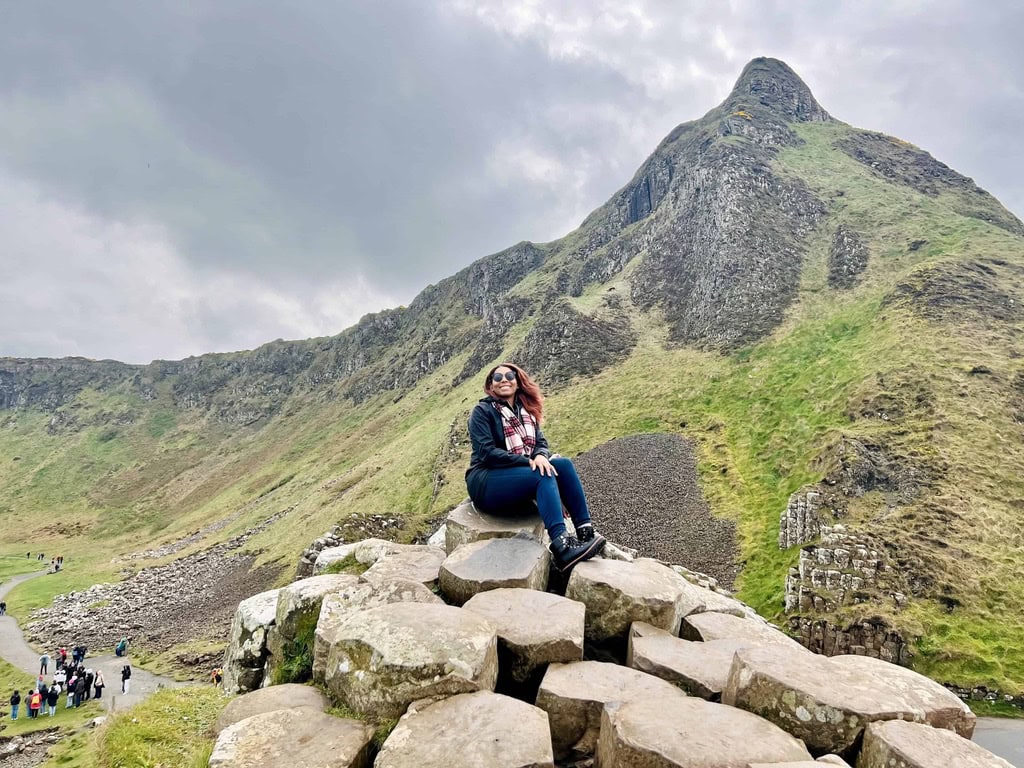
Northern Ireland’s coastal drives rank among the best in the world, with blue-green Atlantic waters, green hills rolling down to dramatic cliffs, yellow wildflowers against grey stone walls. The Giant’s Causeway is a UNESCO World Heritage Site comprised of 40,000 interlocking hexagonal basalt columns stretching along 6 kilometers (3.73 miles) of coastline.
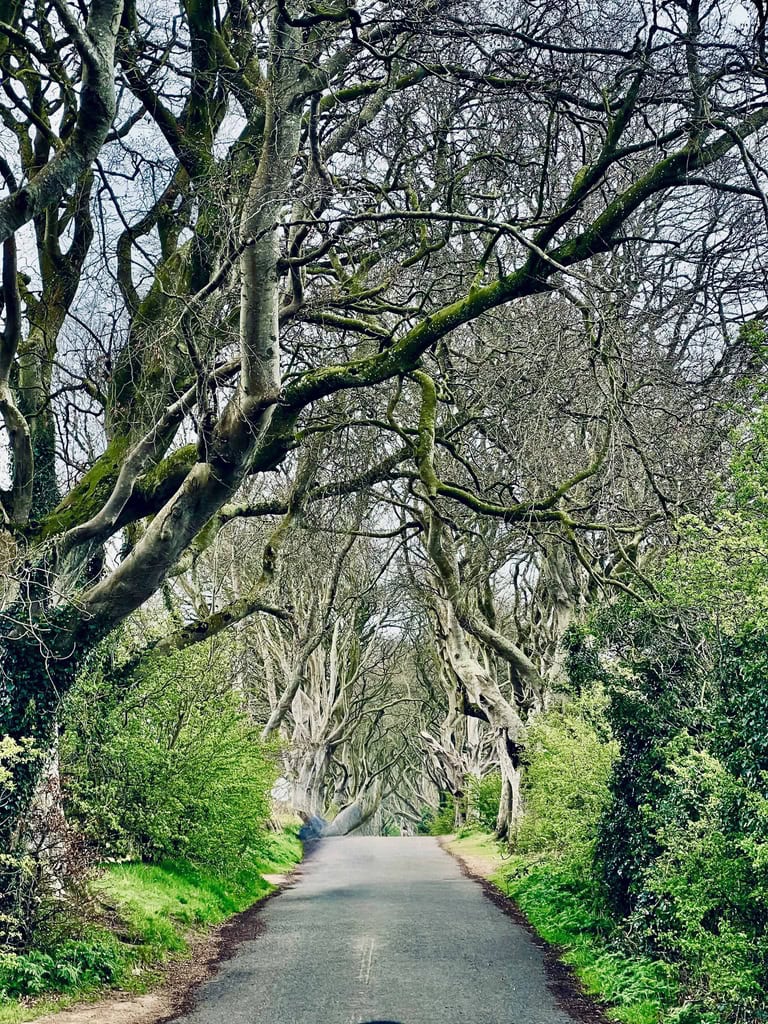
If you’re a Game of Thrones fan, you’re in for several treats. In the “Home of the Thrones”, you’ll find the Game of Thrones Studio in Banbridge, and the Dark Hedges, the 300-year-old tunnel of gnarled, intertwining beech trees that famously served as the Kingsroad in Game of Thrones, among other filming sites.
I’ll share tips for experiencing authentic Irish culture, navigating between the Republic and Northern Ireland, finding safe neighborhoods for solo travelers, and exploring cities, food, and unforgettable landscapes on any budget.
Language:
English, Irish (Gaeilge)
If you’re an English speaker in Ireland or Northern Ireland (UK), you’ll have no language barriers. Irish (Gaelic) is taught in schools and spoken in Gaeltacht regions (western coastal areas) but everyone speaks English. Irish appears on road signs alongside English. Learning a few Irish phrases (“Sláinte” = cheers, “Go raibh maith agat” = thank you) is fun and locals will appreciate the effort.
You can use language learning tools like Pimsleur to explore Irish if interested, or Preply to select from thousands of one-on-one tutors.
Pimsleur Preply
Currency:
Euro (EUR) in Republic of Ireland; Pound Sterling (GBP) in Northern Ireland
The Republic of Ireland uses Euros. Northern Ireland uses British Pounds (as it’s part of the UK). ATMs on both sides dispense local currency. Credit cards widely accepted. Order currency from your bank at least a few days ahead of your trip or wait to withdraw from a local ATM after leaving the airport for the best currency conversions.
Best Time to Visit:
Each season has its own highlights, whether long summer days on the coast or enjoying pints in cozy pubs during colder months. Always pack for possible rain showers and humidity.
Spring (March-May): Mild temperatures with occasional rain, 50-60°F (10-16°C), fewer crowds, and beautiful spring flowers. Great time to explore the cities and the green countryside. However, St. Patrick’s Day (March 17th) brings national festivals and large crowds. Book hotels and tours several months ahead if coming for the holiday.
Summer (June-August): Peak season and most expensive time to visit but offers the best weather of the year, 60-70°F (16-21°C), and up to 17-18 hours of daylight in June and July, stunning coastal views and lively pubs. The Galway International Arts Festival is a two-week long open-air art gallery, with street performances, live music, parades, and more. Popular sites like the Cliffs of Moher and Ring of Kerry can get very congested. Aim to book your car rentals, stays, and experiences 2-3 months in advance.
Fall (September-October): Comfortable temperatures, 50-65°F (10-18°C), fewer tourists, lower prices, and fall colors with some of Ireland’s most beautiful landscapes as the countryside turns gold and red. A great time for solo travelers or anyone wanting more relaxed, local experiences. Book stays and tours a few weeks to a month ahead.
Winter (November-February): Colder weather, 37-50°F (3-10°C), short days (sunset by 4:30pm), rainy, and snow is rare except in the mountains. This is cozy pub season and Christmas markets light up Dublin, Galway, Belfast, Cork, and Waterford in December. Lowest prices for flights and accommodation with smaller crowds. Some attractions have reduced hours.
Famous Landmarks:
Cliffs of Moher, Trinity College Dublin, The Dark Hedges, Giant’s Causeway (Northern Ireland), Ring of Kerry, Guinness Storehouse
Ireland Blogs + Travel Guides
Planning a trip to Ireland? Skip the overwhelm.
I’m currently writing blogs and detailed city guides for each of the cities below. Each guide includes great hotels from budget to affordable luxury, must-try restaurants and speakeasies, museums and day trips not to miss, safe neighborhoods for solo female travelers, public transit tips, honest assessments about traveling as a person of color, local events and concerts, and souvenirs worth precious suitcase space.
My goal is to help you explore based on YOUR travel style and interests to experience both the famous spots everyone talks about AND the authentic hidden gems only locals know.
Sign up for the Travel Like You Mean It (TLYMI) Newsletter to be notified when these guides launch, plus receive travel tips and guides for planning adventures in other countries.
Subscribe Now
Ireland Posts
No posts