
Hungary
Affiliate Disclosure: This site contains affiliate links. If you purchase, sign up, or book through these links, I may earn a commission at no extra cost to you.

Hungary At A Glance
Budapest surprised me by being one of Europe’s best locations for affordable luxury travel. Standing on the neo-Romanesque terraces of Fisherman’s Bastion on Castle Hill, looking out over the Danube River to the Hungarian Parliament building, the Chain Bridge, and the sprawling Pest skyline, I understood immediately why people fall so hard for this city.
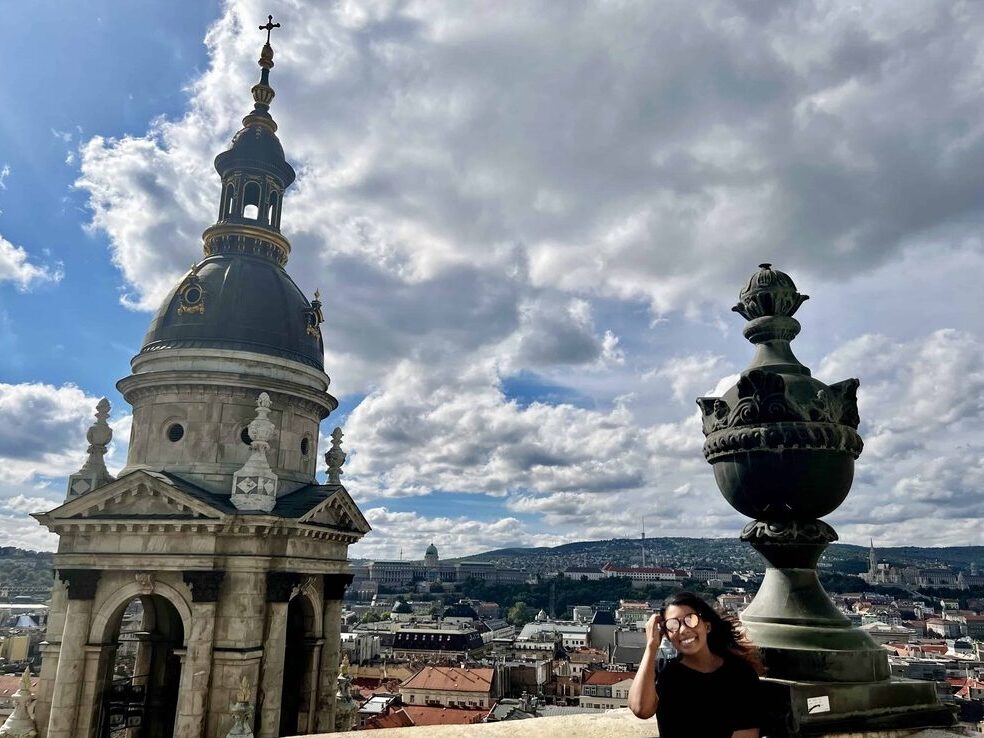
Climbing to the 360-degree panoramic terrace of St. Stephen’s Basilica, 96 meters (315 feet) above Budapest’s rooftops that stretch out in every direction, rewards you with a stunning view that might make you consider postponing your flight home.
Hungary offers gorgeous cities, stays in beautiful boutique hotels, incredible local dishes, soaks in historic thermal baths, and wonderful experiences, and it is a fantastic choice for any budget. Budapest is a very walkable city where Buda’s historic castle district overlooks Pest’s vibrant neighborhoods across the Danube River. You’ll find centuries of architecture (medieval to Art Nouveau), a thriving nightlife scene unlike anywhere else including Budapest’s famous ruin bars (bars built inside abandoned buildings with deliberately eclectic décor), excellent food, and boutique shopping.
Whether you’re seeking culture, relaxation, history, or just a beautiful city that doesn’t destroy your budget, Budapest delivers.
I’ll share tips for experiencing both Buda and Pest sides, navigating efficiently, finding authentic Hungarian experiences, and maximizing this affordable destination safely.
Language:
Hungarian
Hungarian is notoriously difficult and is unrelated to most other European languages. Fortunately, many Hungarians in Budapest speak English well, especially in tourist areas, restaurants, and hotels. However, you’ll likely find older generations and rural areas speak less English. Learning basic phrases shows respect: “Köszönöm” (thank you), “Szia” (hello, informal).
Travel Tip: Download Google Translate. Navigating Hungary can be challenging without it.
You can use language learning tools like Duolingo or Pimsleur for basic Hungarian, and Preply for one-on-one classes and select from thousands of available tutors.
Pimsleur Preply
Currency:
Hungarian Forint (HUF)
Although Hungary is part of the EU, it doesn’t use Euros. You can order Forints from your bank a few days before your trip or withdraw from local bank’s ATMs for the best rates. While credit cards are widely accepted in Budapest, it’s still advisable to carry cash for markets, restaurants, and public transit. Some tourist shops accept Euros, but exchange rates aren’t favorable. Overall, Hungary is affordable, but exchange rates fluctuate.
Best Time to Visit:
Budapest is beautiful year-round with distinct seasons.
Spring (March-May): Mild temperatures, 55-70°F (13-21°C), and significantly less crowded than summer. Perfect time to visit for blooming flowers, walking around cities, outdoor activities, soaking in thermal baths. Budapest Spring Festival in April to Mid-May is the country’s largest cultural event, with theater, music, and dance performances. Aim to book 1-2 months in advance.
Summer (June-August): Warmest weather, 70-85°F (21-29°C), and longest days. Great for walking tours, outdoor festivals, cultural events, traditional food markets, water sports, and Danube terrace season. The ruin bars also open up their famous outdoor garden spaces. This is peak tourist season. Plan to book accommodations and activities at least a few months ahead.
Fall (September-October): Comfortable, crisp temperatures, 55-70°F (13-21°C), fall colors and excellent value with fewer tourists and shorter lines at major landmarks. Popular time to rent bikes and explore the trails throughout Buda Hills. Aim to book 2-3 months before your trip.
Winter (November-February): Can be bitterly cold, 30-45°F (-1 to 7°C), with shorter daylight hours, but a popular time to visit the thermal baths. Most cost-effective time of year to visit, with the exception of December when Christmas markets draw bigger crowds and higher prices. Try to make arrangements several weeks before your trip.
Famous Landmarks:
Hungarian Parliament, Buda Castle, Fisherman’s Bastion, St. Stephen’s Basilica, Széchenyi Thermal Bath, Chain Bridge
Hungary Blogs + Travel Guides
Planning a trip to Hungary? Skip the overwhelm.
I’m currently writing blogs and detailed city guides for each of the cities below. Each guide includes great hotels from budget to affordable luxury, must-try restaurants and speakeasies, museums and day trips not to miss, safe neighborhoods for solo female travelers, public transit tips, honest assessments about traveling as a person of color, local events and concerts, and souvenirs worth precious suitcase space.
My goal is to help you explore based on YOUR travel style and interests to experience both the famous spots everyone talks about AND the authentic hidden gems only locals know.
Sign up for the Travel Like You Mean It (TLYMI) Newsletter to be notified when these guides launch, plus receive travel tips and guides for planning adventures in other countries.
Subscribe Now
Hungary Posts
No posts