
Canada
Affiliate Disclosure: This site contains affiliate links. If you purchase, sign up, or book through these links, I may earn a commission at no extra cost to you.
Canada At A Glance
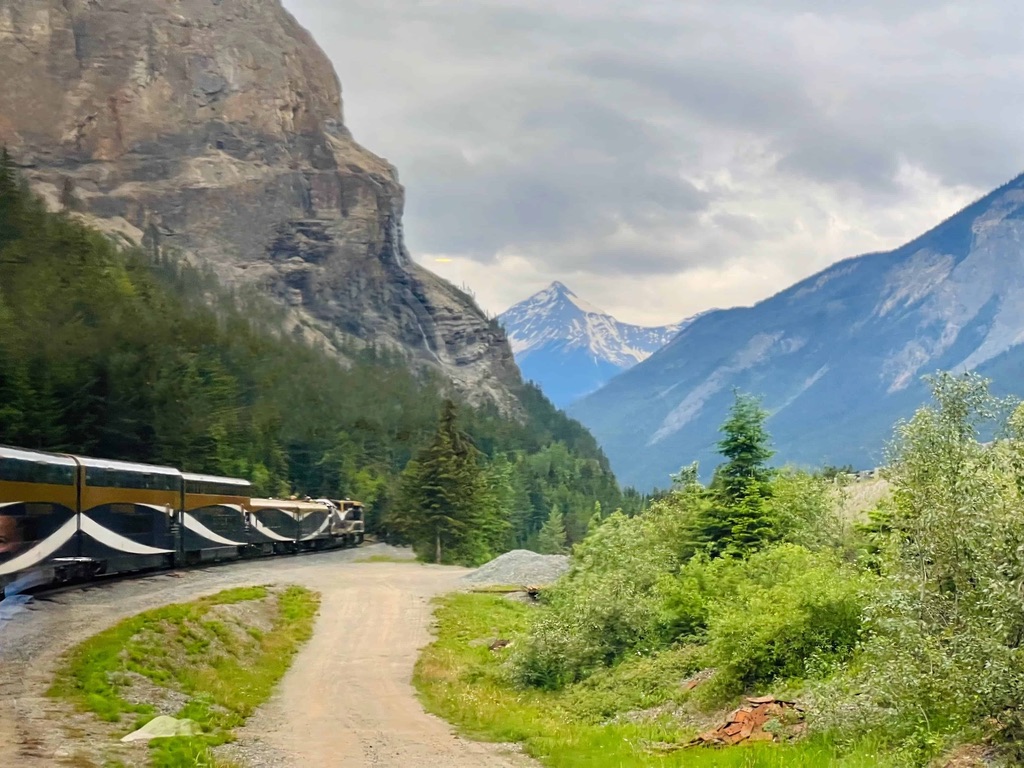
Canada has always been one of my favorite places to spend what little time off I had. Years of road trips, flights, and train rides across the country have given me many fond memories of appreciating the beauty of natural landscapes, discovering new art and food, and family time.
Vancouver combines sweeping mountain views, lush rainforests, breathtaking suspension bridges, and jaw-dropping coastal drives with an incredible food scene of ultra-fresh Pacific seafood, traditional Canadian and Indigenous comfort dishes, and influences of Asian gastronomy.
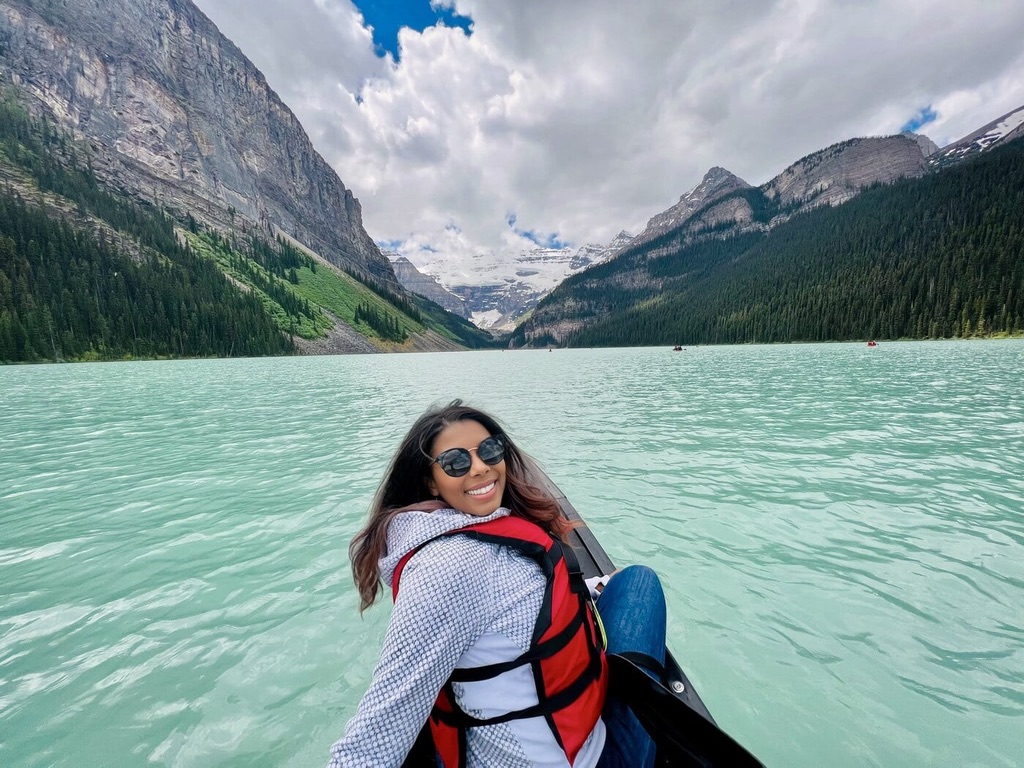
Montreal feels more like Europe than North America… cobblestone streets, French bistros, hidden speakeasies, and Notre-Dame Basilica’s stunning deep blue vaulted ceilings and 7,000-pipe organ. Toronto offers world-class art museums, a thriving multicultural food scene, and an entire underground city beneath its streets. And Banff offers striking turquoise glacial lakes surrounded by alpine trees and snow-capped Rocky Mountains, and an expansive Sulphur Mountain view from 7,486 feet that stretches further than the eye can see.
Canada really does have something for every type of traveler. Nature and hiking, world-class art and global cuisines, scenic train journeys, coastal drives, distinct architectural styles, and cities with their own completely distinct personalities. And the more places you visit, the better it gets.
I’ll share tips for navigating Canada’s major cities affordably and safely and why Canada rewards travelers who don’t just stop at one city.
Language:
English, French
Canada is officially bilingual. English dominates in most provinces (Ontario, BC, Alberta). Learning basic French helps in Quebec but isn’t essential. French is primarily spoken in Quebec (Montreal, Quebec City). Montreal is bilingual and most people switch effortlessly between French and English. Outside Quebec, French is limited.
You can use language learning tools like Babbel or Pimsleur to learn basic English or basic French phrases and Preply for one-on-one tutors.
Babbel Pimsleur Preply
Currency:
Canadian Dollar (CAD)
While you can order CAD from your bank a few days ahead, withdrawing from a local bank ATM will likely yield the best rates. Credit cards, debit cards and Apple Pay are widely accepted.
Travel Tips: Tipping culture similar to U.S. and always pay with local CAD cash or use a credit card instead, as business establishments will issue cashback as one-to-one.
Best Time to Visit:
Canada’s vast geography means the best time to visit varies by region.
Spring (March-May): A shoulder season with smaller crowds and rapid transitions, as snow melts to reveal blooming landscapes. Weather is unpredictable and temperatures vary wildly by region, averaging 30-60°F (-1–16°C). While some national parks remain snowy, it is an excellent, budget-friendly time for cities. Late spring is perfect for coastal whale watching and wildlife viewing. Aim to make arrangements several months ahead.
Summer (June-August): Peak travel season across the country with longest days. Weather is warm and sunny, 65-85°F (18-30°C), though interior regions can push past 90°F, while mountainous areas remain cooler. This is the most expensive season. National parks are fully accessible. Can be highly competitive to Banff or Jasper to book accommodations. Aim to make arrangements several months advance.
Fall (September-October): Great time to visit for more relaxed city exploring and scenic road trips with fall colors. Temperatures hover around 45–65°F (7-18°C). September remains fairly warm, while October introduces crisp air and world-famous, vibrant fall foliage (especially in Ontario, Quebec, and the Maritimes). Tourist crowds thin out and you can book your stays and tickets 1–2 months in advance, but keep in mind, some mountain passes close by late October.
Winter (December-February): Temperatures vary drastically by region: mild and rainy in Vancouver 35-45°F (2-7°C), freezing in Toronto and Montreal 15-30°F (-9 to -1°C), and hovering around 10–25°F (-12 to -4°C) in major ski areas, though mountain summits can drop far lower with windchill. Festive Christmas markets take over cities in December. Best time for lowest flight prices and city travel, but it’s peak season for ski resorts like Banff, Whistler, and Mont-Tremblant. Aim to book 4-5 months ahead.
Famous Landmarks:
CN Tower (Toronto), Niagara Falls, Banff National Park, Lake Louise, Old Montreal, Old Quebec, Stanley Park (Vancouver)
Canada Blogs + Travel Guides
Planning a trip to Canada? Skip the overwhelm.
I’m currently writing blogs and detailed city guides for each of the cities below. Each guide includes great hotels from budget to affordable luxury, must-try restaurants and speakeasies, museums and day trips not to miss, safe neighborhoods for solo female travelers, public transit tips, honest assessments about traveling as a person of color, local events and concerts, and souvenirs worth precious suitcase space.
My goal is to help you explore based on YOUR travel style and interests to experience both the famous spots everyone talks about AND the authentic hidden gems only locals know.
Sign up for the Travel Like You Mean It (TLYMI) Newsletter to be notified when these guides launch, plus receive travel tips and guides for planning adventures in other countries.
Subscribe Now
Canada Posts
No posts